


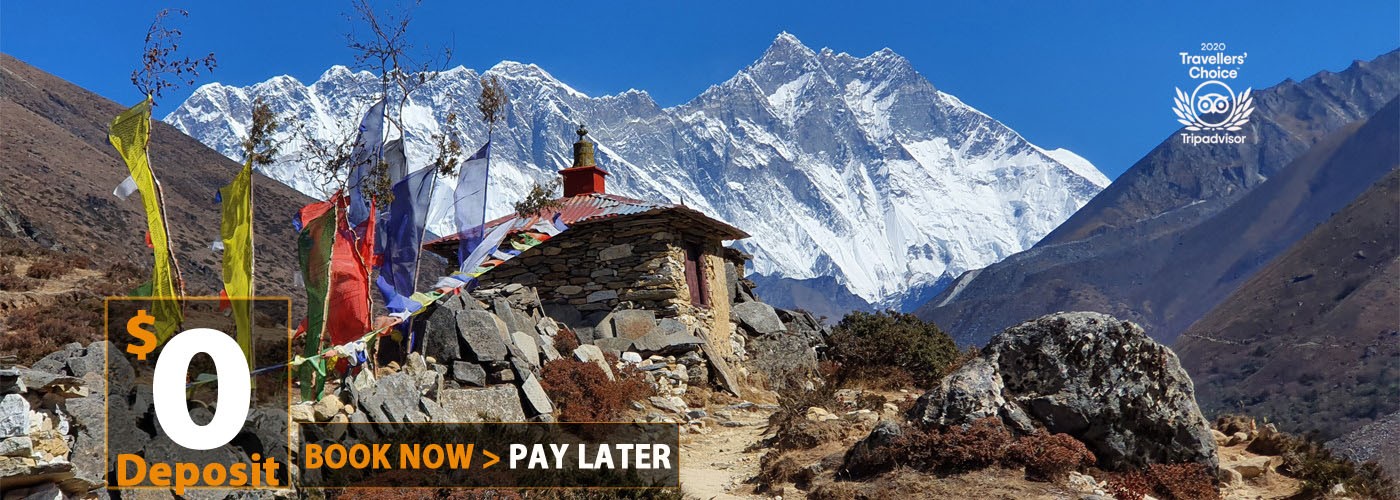
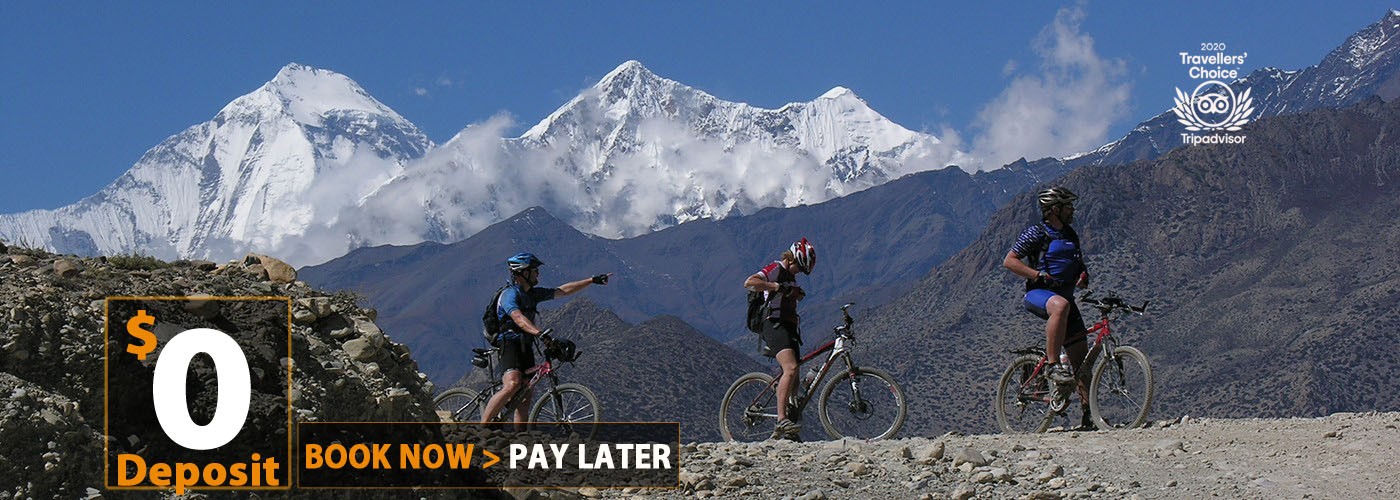


Annapurna Base Camp Trek
Days 16 From $ 1550
Your experience on this site will be improved by allowing cookies.
Read our Privacy Policy
Trekking Team Group, a certified tour operator by Travelife and FTA, brings 30+ years of experience to prioritize efficient ground logistics. Our unique approach goes beyond ordinary tourism, immersing travelers in genuine experiences that connect them with the country, its culture, people, and wildlife.
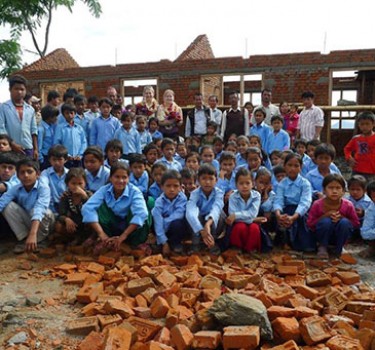
In our commitment to community support, we exclusively employ local guides, delight in local cuisine, and select accommodations owned by locals, including homes, lodges, or hotels.
As advocates of responsible tourism, we actively support THE CODE for safeguarding children from sexual exploitation and promote environmental consciousness through the Travellers Against Plastics (TAP) mission. We are proud to be at the forefront of LGBTQ+ tourism advocacy and hold membership with IGLTA.





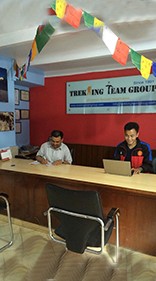
Trekking Team Group
Chaksibari Marg, Thamel, Kathmandu(Opposite to Investment Bank)